Booking choice: The Talking Trees Indigenous walk, from $57 per person. Check dates Compare the options below
Stanley Park sits on the territories of the xʷməθkʷəy̓əm (Musqueam), Sḵwx̱wú7mesh (Squamish) and səlilwətaɬ (Tsleil-Waututh) Nations. The poles are one chapter of that story, not the whole book.
Facts come from the City of Vancouver totem poles page, the Destination Vancouver totem pole page and the Park Board, checked in November 2026. For tour choices see the tour comparison.
The quick answer
The poles stand at Brockton Point and need no ticket. The Talking Trees walk is an Indigenous-led 90 minute walk from $57, and the Secrets walk covers the darker colonial history for $28.
Where are the Stanley Park totem poles?
At Brockton Point on the east side of the park, near the seawall and a short walk from the Aquarium side.
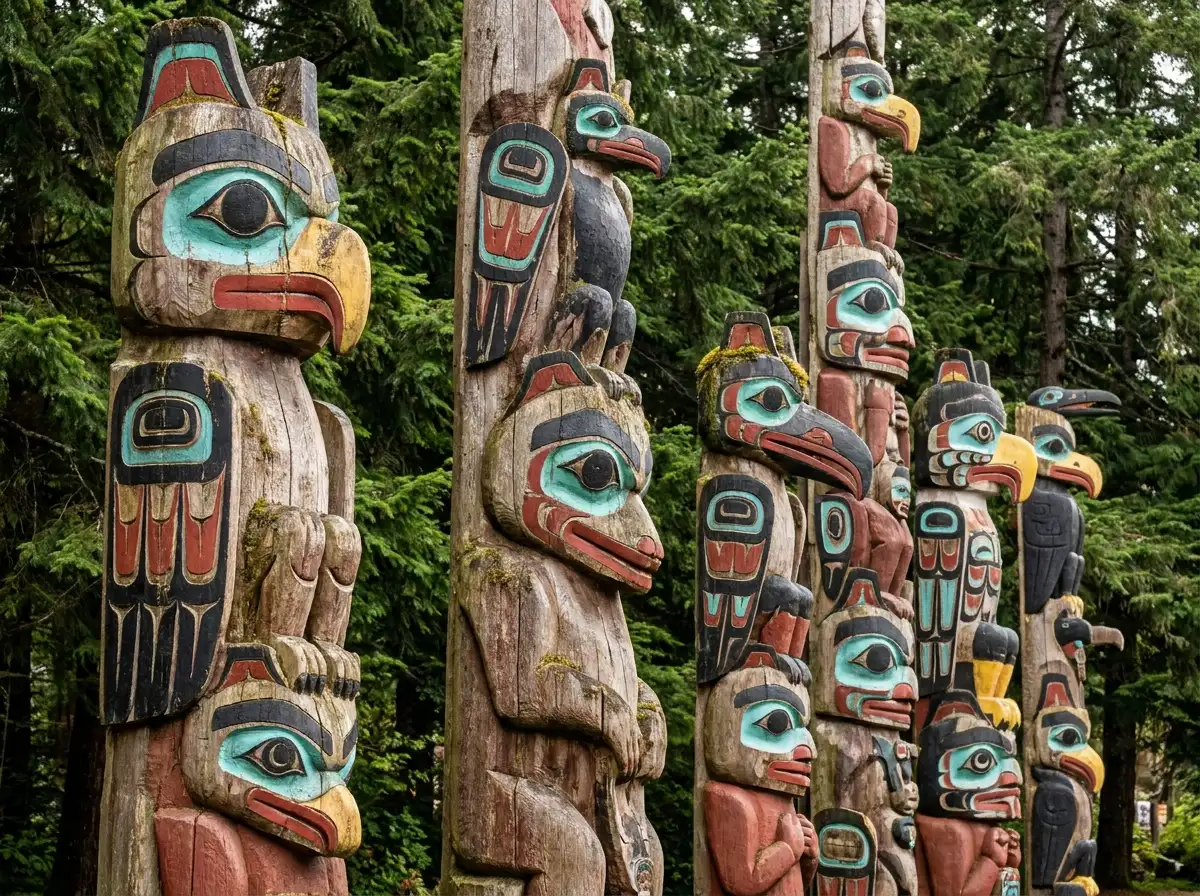
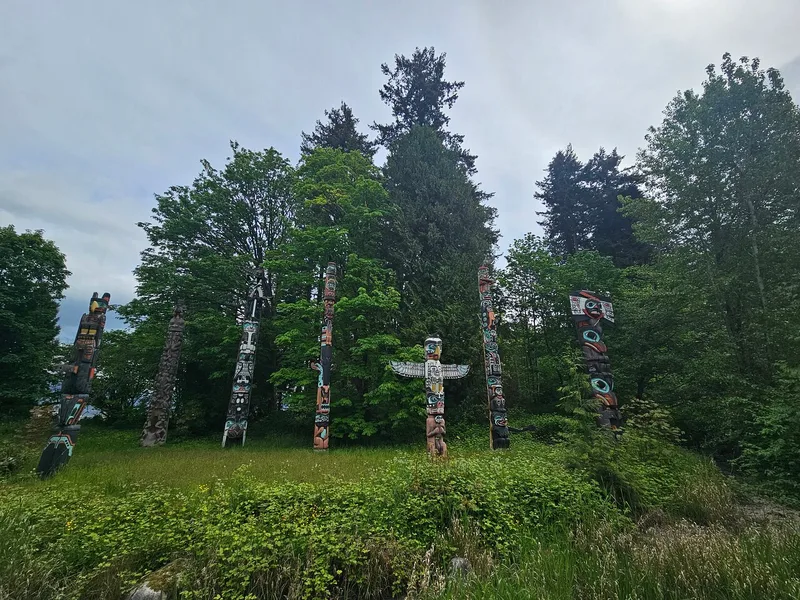
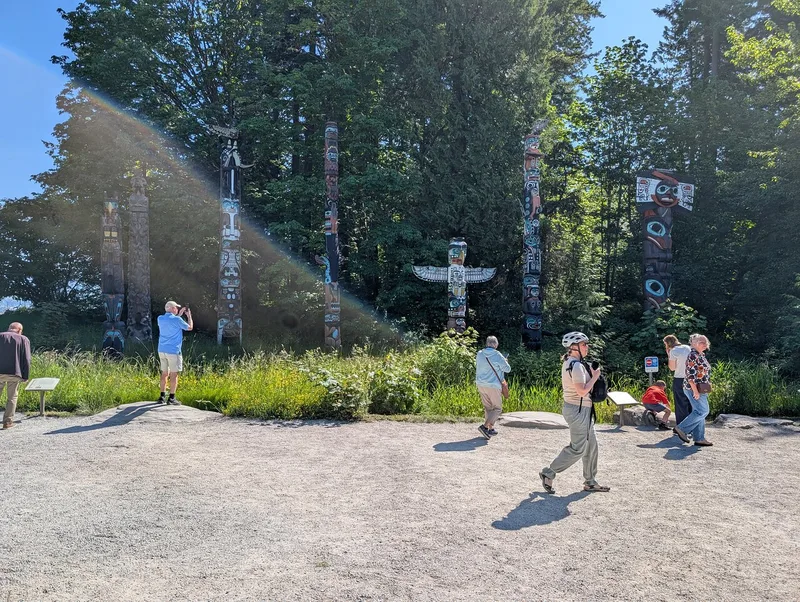
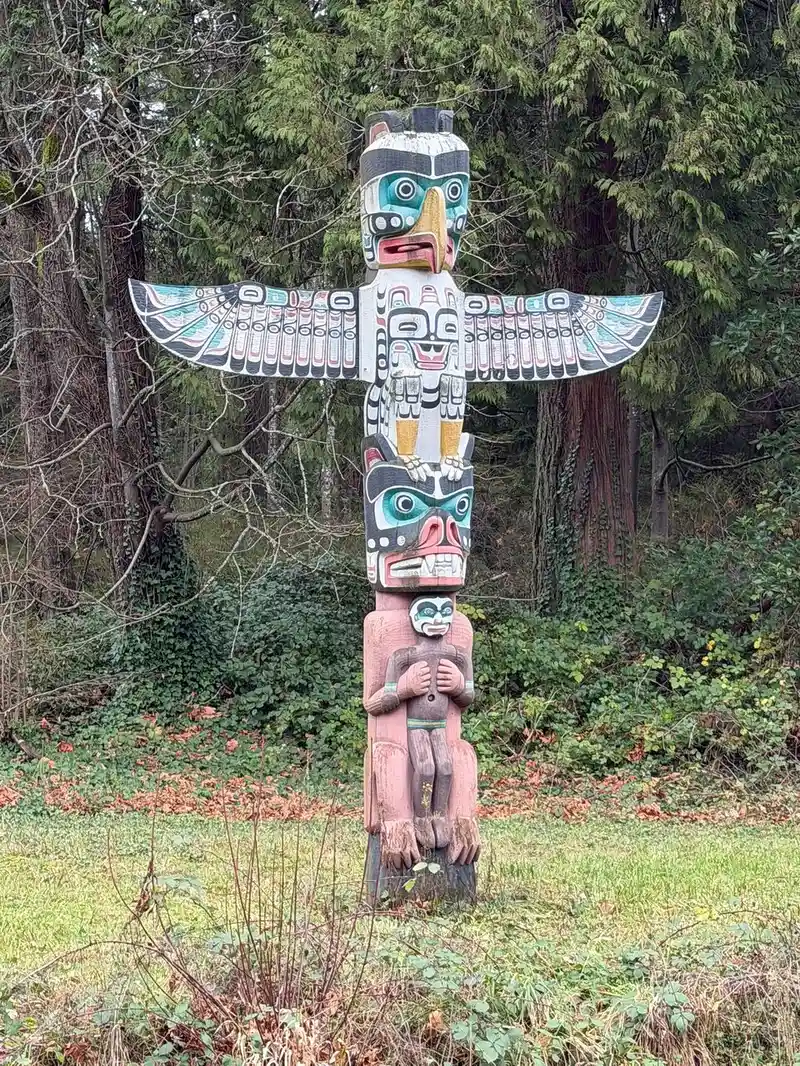
The City of Vancouver totem poles page describes nine poles at Brockton Point, one of the most visited places in British Columbia. They sit on a lawn beside the path, with interpretive signs. The horse-drawn tour stops here, bike tours pass by, and parking at the Brockton Point meters does not sell day tickets, so plan for hourly parking if you drive. No ticket is needed to see them.
Who carved the poles, and whose are they?
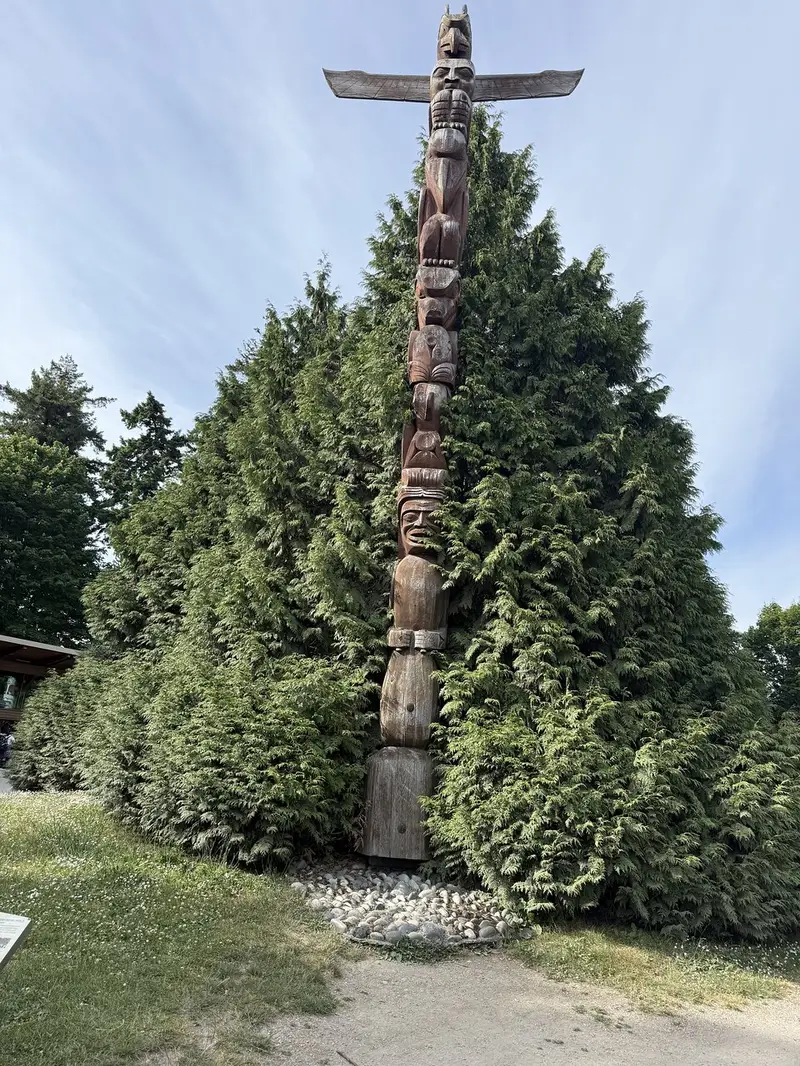
Mostly artists from nations on the northern coast, including the Kwakwaka'wakw, Haida and Nisga'a, with more recent work by a Squamish carver.
The Destination Vancouver totem pole page lists poles from Kwakwaka'wakw, Haida, Nisga'a, Kitasoo and Squamish traditions. The collection began in the 1920s, when the Park Board bought poles from Alert Bay, and many were re-carved or replaced later. These are not Coast Salish house poles, which matters to the three host nations, and the City of Vancouver notice on the Kakaso'las pole shows how closely the Park Board now works on care of the poles. The Kakaso'las pole left for the UBC Museum of Anthropology for restoration in September 2024.
Whose land is Stanley Park?
The Musqueam, Squamish and Tsleil-Waututh Nations. Their flags now fly at Brockton Point, and Susan Point's three Welcome Gateways stand nearby.
The Park Board replaced the old flagpoles at Brockton Point after 2017 and raised the three nations' flags. Susan Point, a Coast Salish artist, created three gateways installed in 2008 with the nations and the Board. Xwayxway was a village at the site of today's Lumberman's Arch, and other villages stood at Second Beach and Prospect Point, per Secrets walk guides. The park is also a National Historic Site, per the Parks Canada national historic site page.
What is the story of Siwash Rock?
It is a sea stack on the west shore with the Squamish name Slhx̱í7lsh, and the Squamish tell of a man who was turned to stone as an honour.
The BC Geographical Names entry records Slhx̱í7lsh and the teaching: a man purified himself before the birth of his child and was transformed into stone as an honour. Keep it as a Squamish teaching, because guides tell it differently and with permission. The rock is roughly 15 to 18 metres tall and sits between Third Beach and Prospect Point, so it is a bike-tour or walk stop, not a Brockton Point one.
What does the Talking Trees walk cover?
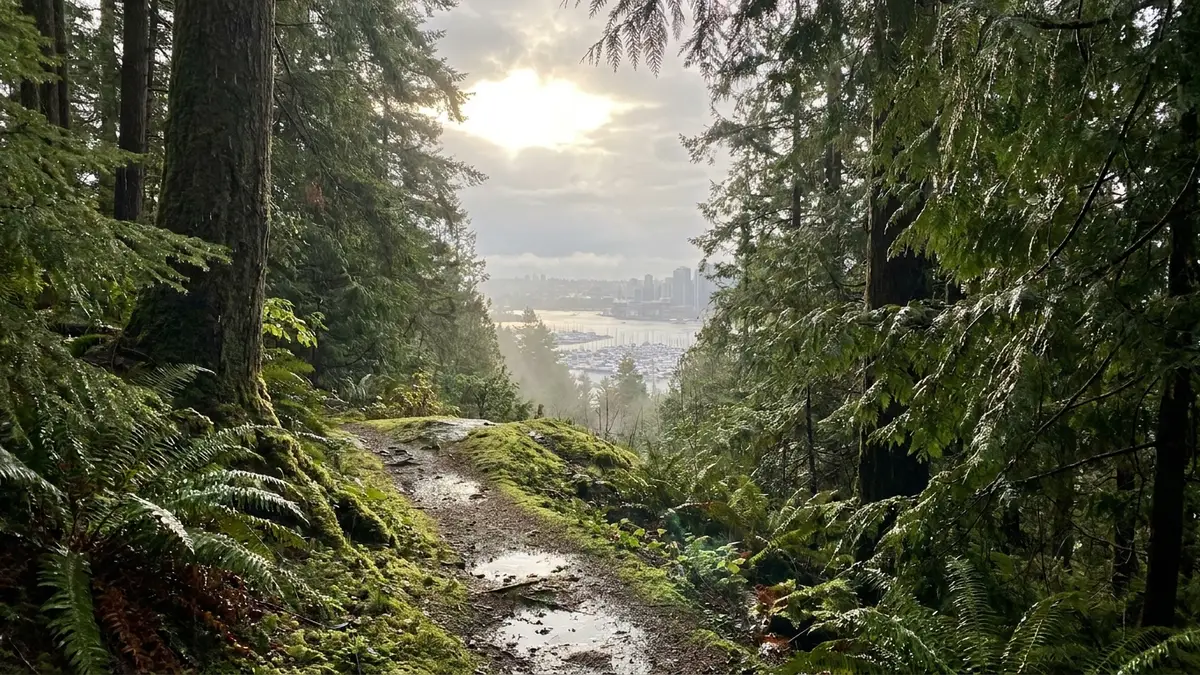
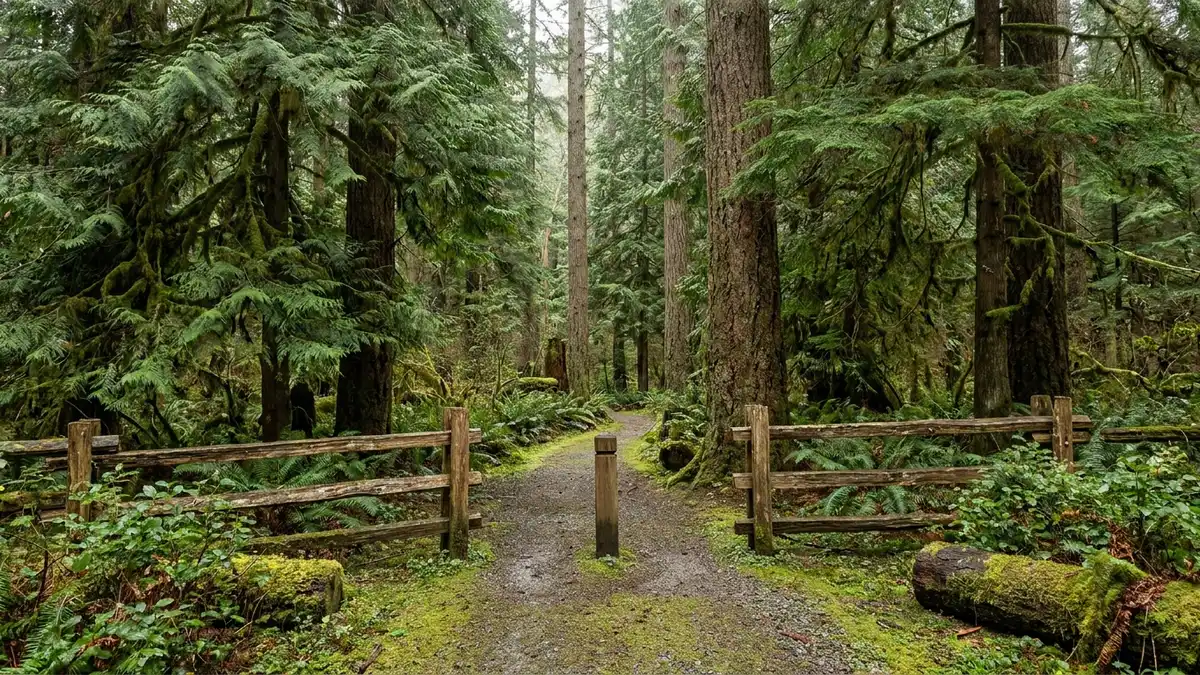
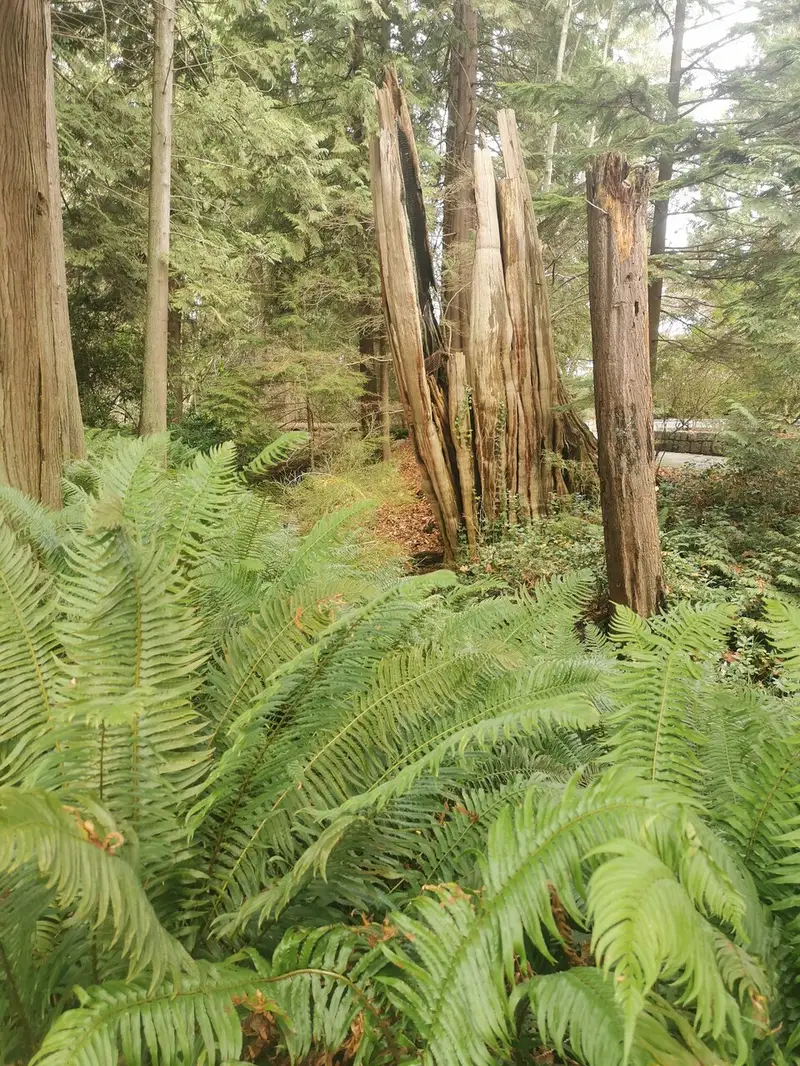
The park's trees and plants as Indigenous knowledge, led by a First Nations guide, over about 90 minutes of flat walking.
The walk is run by Talaysay Tours, includes coffee or tea, and leaves out parking, transit and gratuities. Guests praise the cultural meaning of the plants and the small group, and one horticultural group called it their best of a dozen gardens and parks. One listing places the meeting point at the bus loop gazebo near the Pavilion, not the entry loop. Winter days may be limited, so check the listing dates.
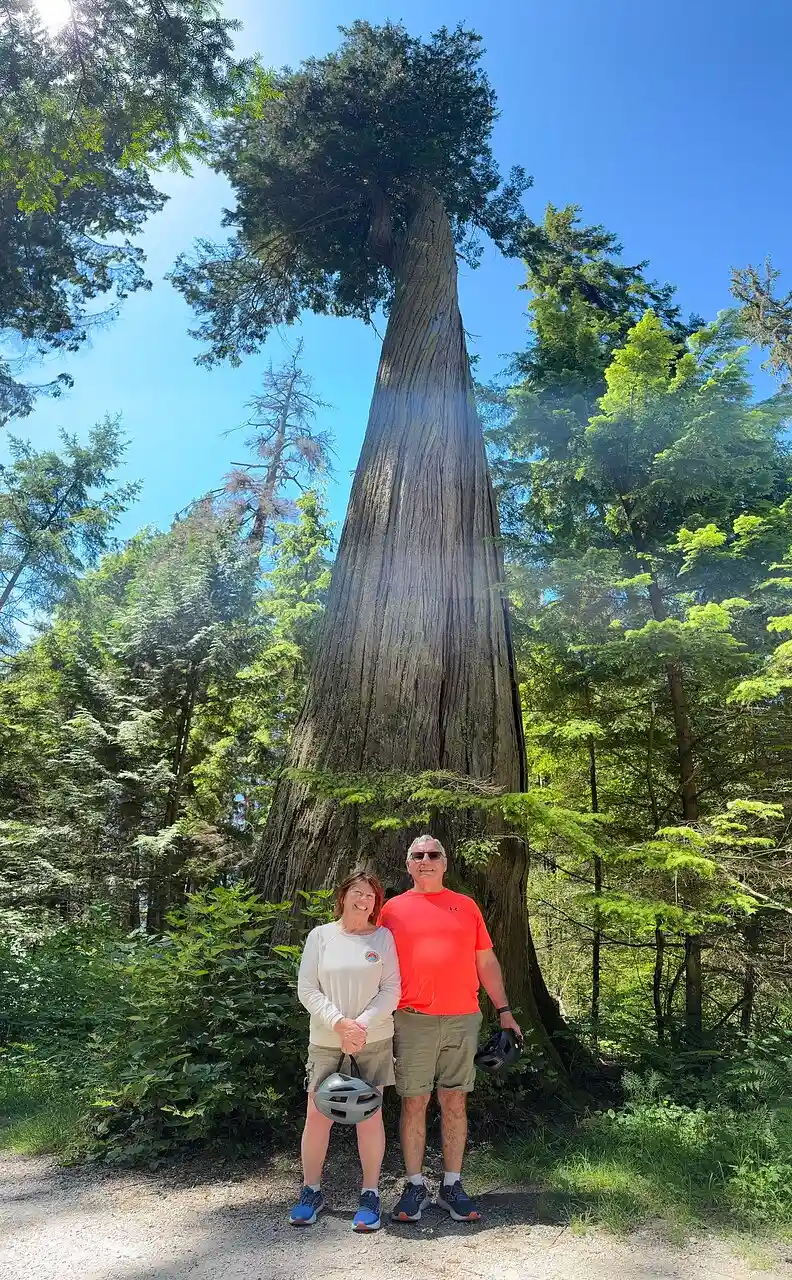
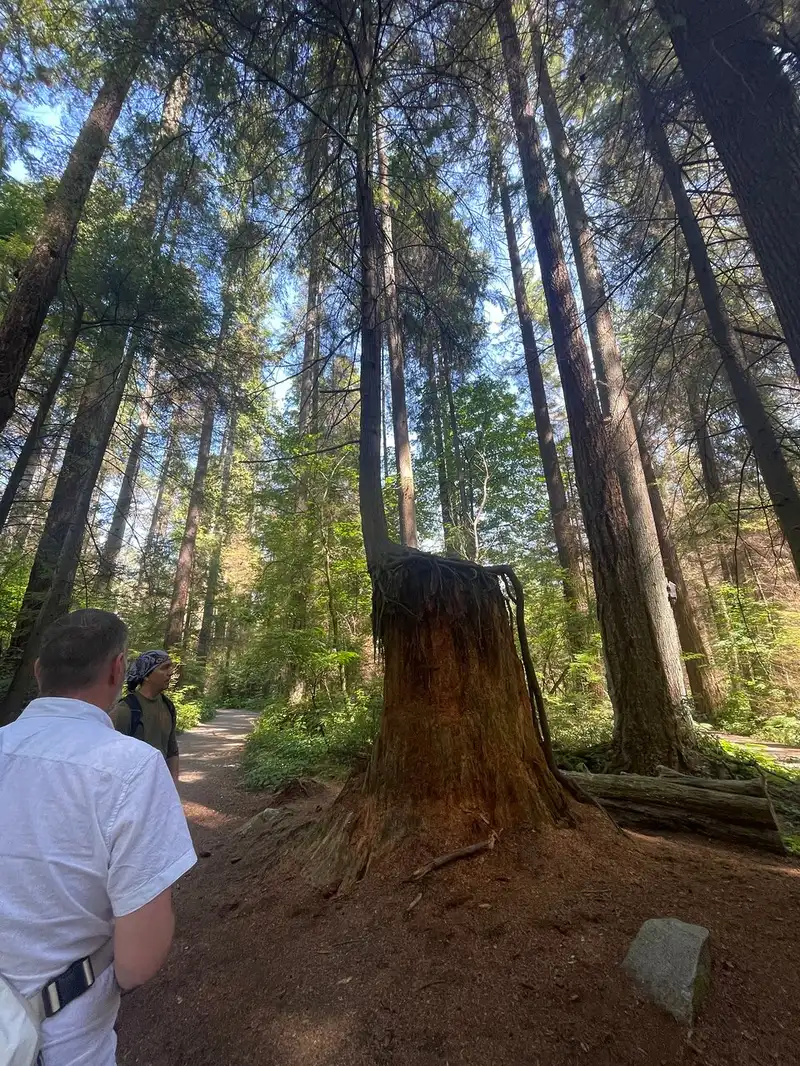
An Indigenous-led 90 minute walk with tea or coffee included.
Explore the Talking Trees Indigenous walkHow is the Secrets of Stanley Park walk different?
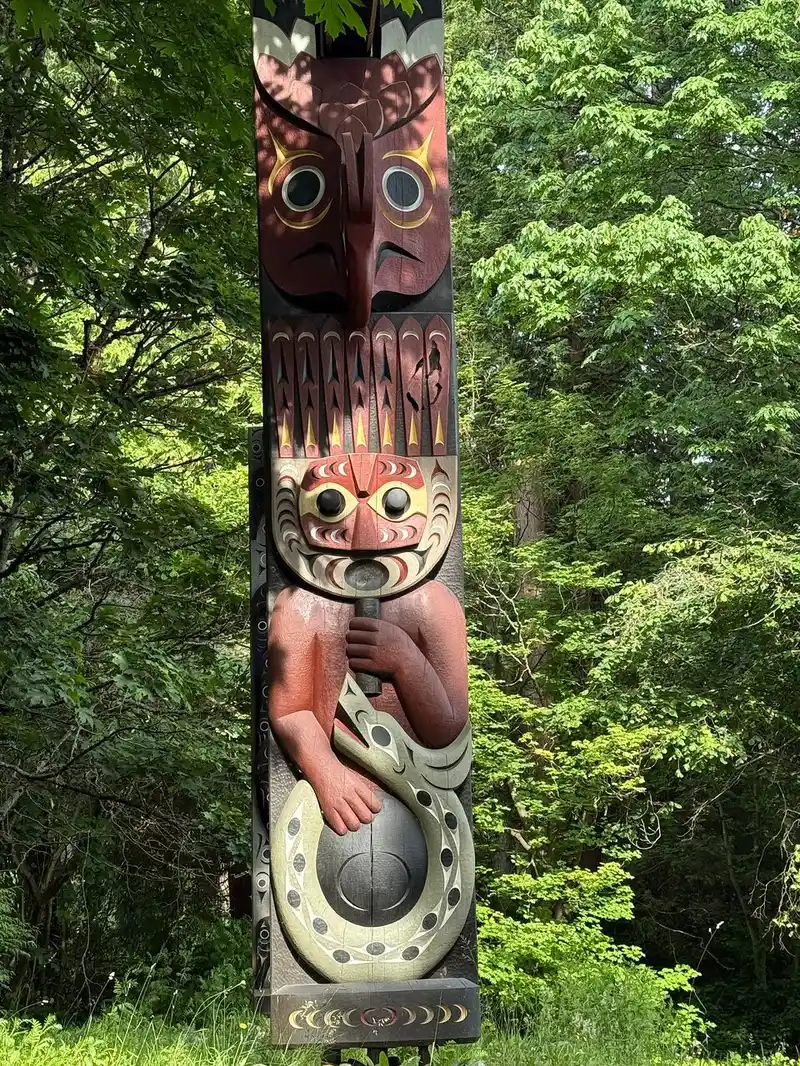
It is a two hour story walk about the park's darker history, including how Indigenous peoples were affected, and it may not suit little kids.
The Secrets walk meets at the Aquarium entrance and is fully narrated. A reviewer valued the honest account of sordid events affecting Indigenous peoples, and another loved the stories of nursery trees, ghost stumps and Gassy Town. Choose it for history and colonial context, and choose Talking Trees for the Indigenous guide's own voice. Many visitors book both.
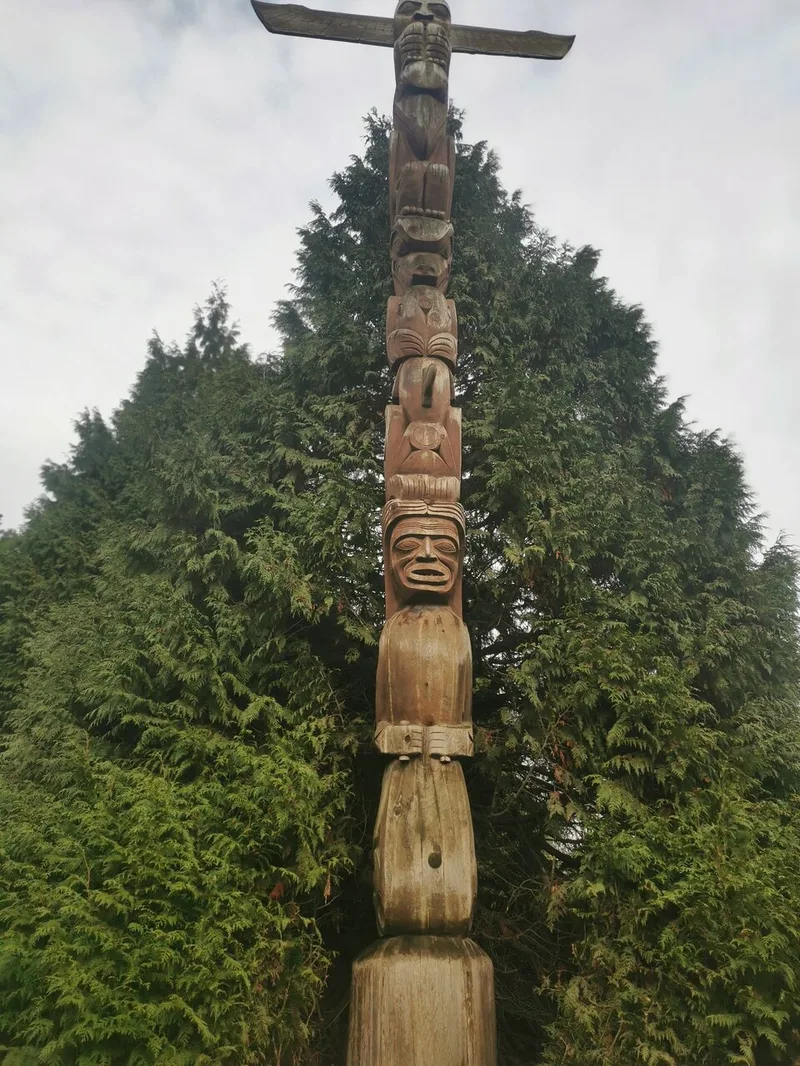
Two hours of dark history and park stories, starting at the Aquarium entrance.
Check dates for the Secrets of Stanley Park walking tourHow do you visit the poles respectfully?
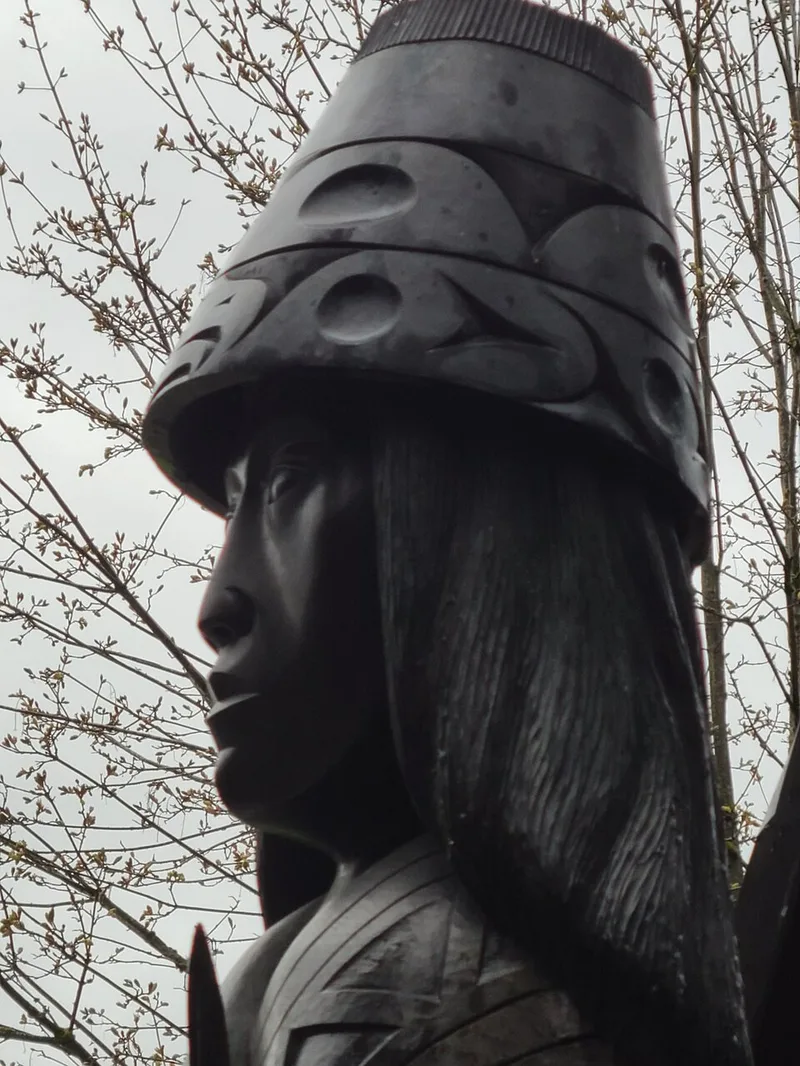
Photograph from the path, read the signs, do not climb or touch the carvings, and ask your guide before posting stories.
These are cultural objects, not props. Stay on the gravel, keep voices down, and treat the interpretive panels as the poles' own words. Do not leave offerings or food, since wildlife will eat them. If a guide tells a story, ask before recording it. A walk led by an Indigenous guide is the most direct way to learn what the poles and the trees mean to the nations who live here.
Which tours include the poles?
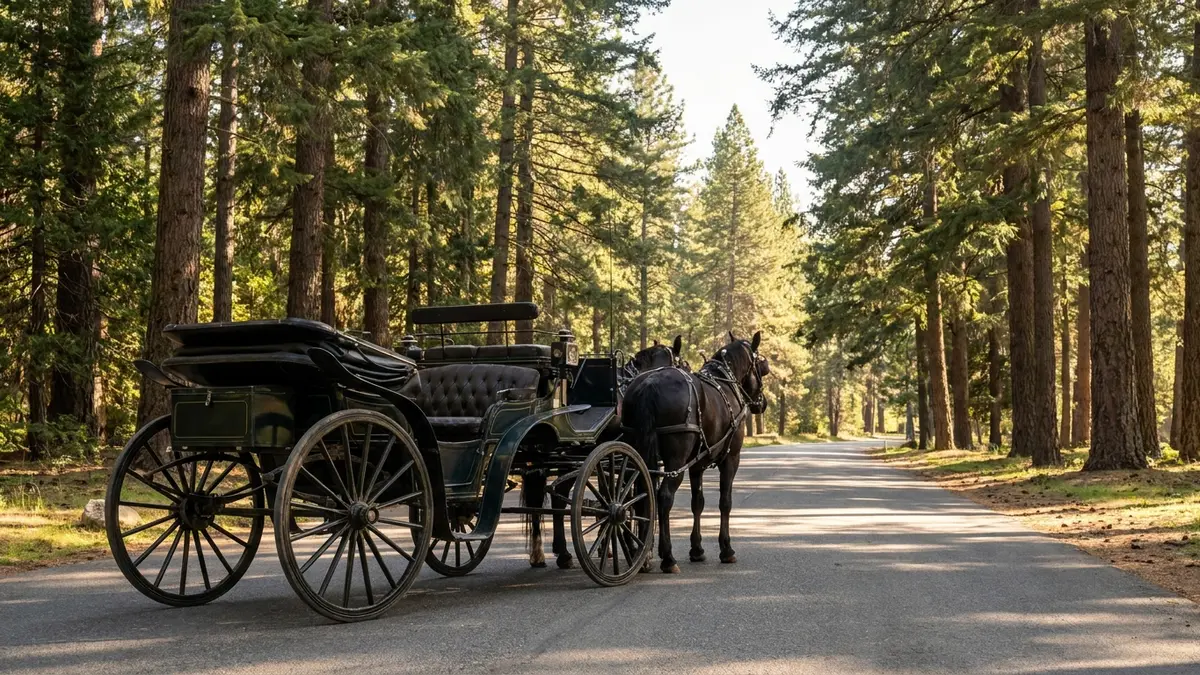
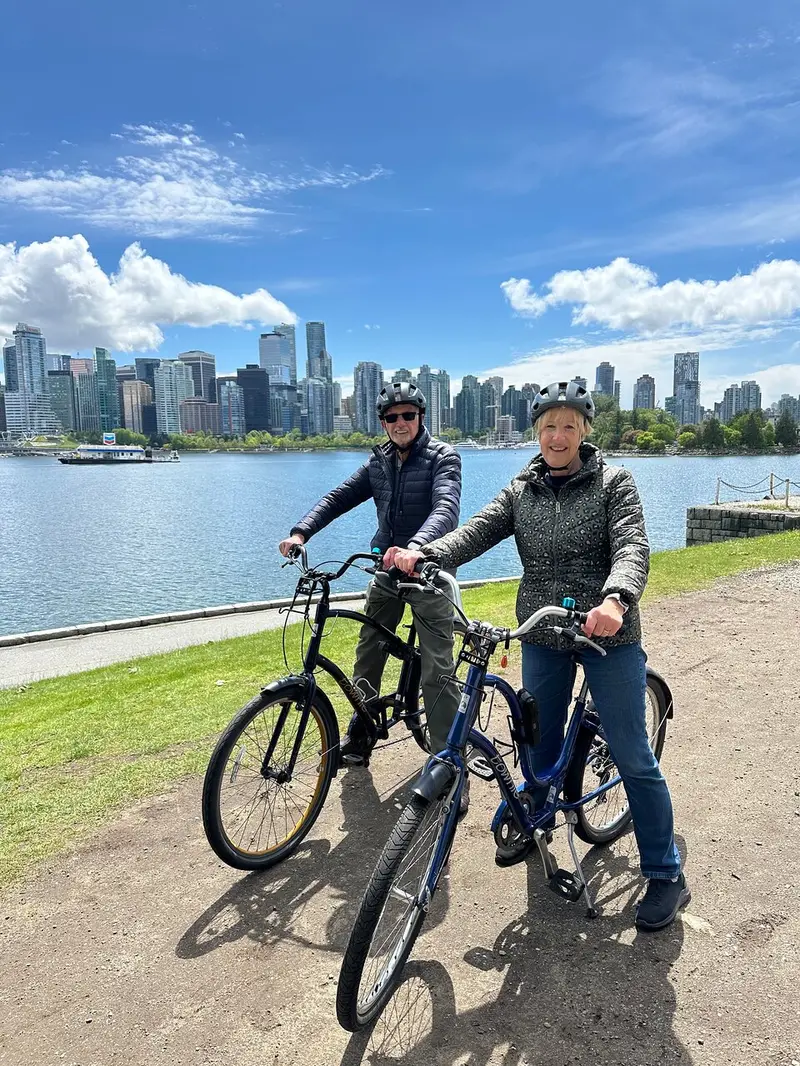
The horse-drawn tour stops at them, and the bike tour passes the area on the seawall. Walks go deeper.
The horse-drawn tour season summary lists a totem pole stop on the carriage route. A Toonie Tours walk listing names the poles, the seawall and Beaver Lake, and the minibus makes short photo stops. If you drive, remember that Brockton Point meters sell hourly time only. For a ride that reaches the poles and the west side, see the seawall guide.
Frequently asked questions
Where are the totem poles in Stanley Park?
At Brockton Point on the east side of the park. The City describes nine poles, and there is no entry ticket to see them.
Who made the Stanley Park totem poles?
Mostly carvers from nations on the northern coast, including the Kwakwaka'wakw, Haida and Nisga'a, plus later work by a Squamish artist.
Whose territory is Stanley Park on?
The Musqueam, Squamish and Tsleil-Waututh Nations. Their flags fly at Brockton Point.
Is there an Indigenous-led tour of Stanley Park?
Yes. The Talking Trees walk by Talaysay Tours is about 90 minutes and lists from $57 on Viator.
Ready to book
Choose your Stanley Park tour
Every option here can be cancelled for a full refund; the deadline is on each listing. Prices are from-prices in USD and move with the season.
Talking Trees Indigenous Walking Tour
A flat, easy walk led by an Indigenous guide on plants, trees and the stories of the land, with coffee or tea. Parking is extra, and winter dates can be limited, so check the listing
Secrets of Stanley Park Walking Tour
- Local guide
- Fully narrated walk
- Not included: tips, transport to the meeting point, aquarium admission
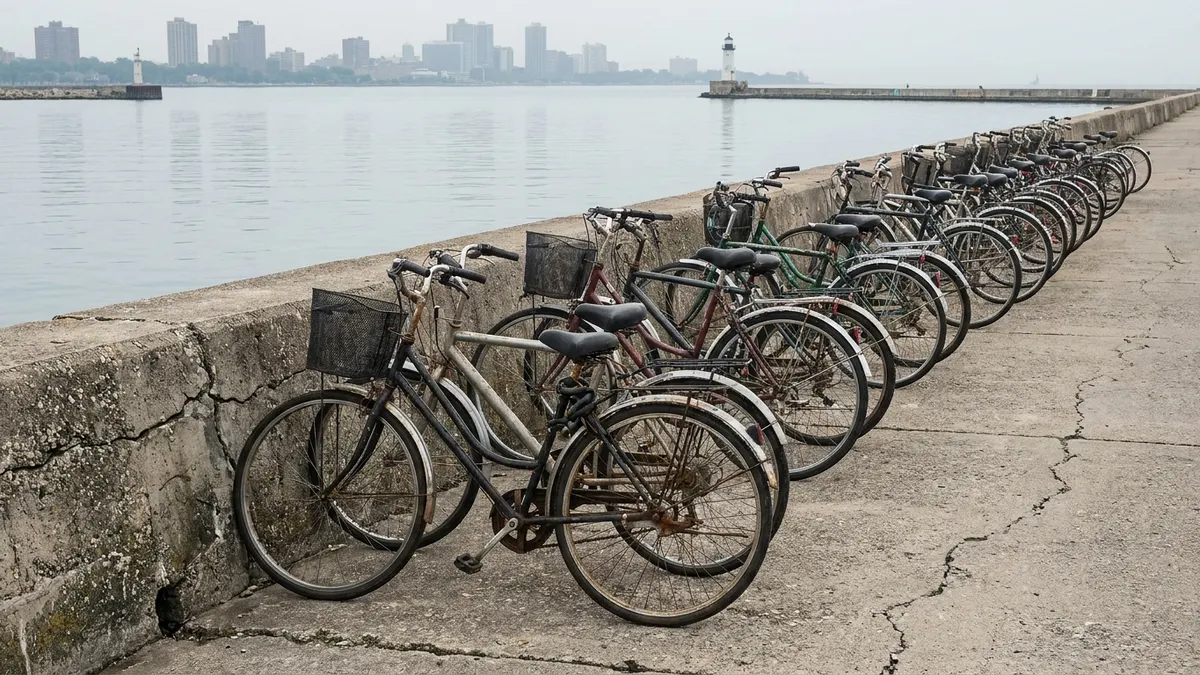
The Stanley Park Bicycle Tour
- Professional guide
- Bike, helmet and lock
- Luggage storage during the tour